
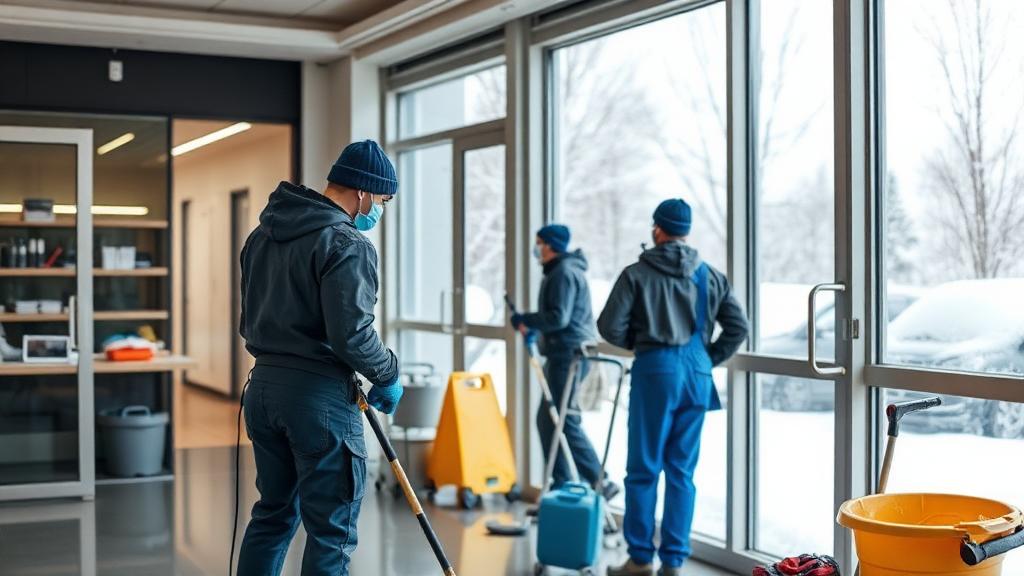
Winter Facility Maintenance: Protecting Your Investment
Winter weather presents unique challenges for commercial facilities, requiring proactive maintenance strategies to protect building infrastructure, ensure occupant safety, and maintain operational continuity. Effective winter facility maintenance combines preventive measures, responsive protocols, and systematic monitoring to safeguard valuable property investments while minimizing disruption to business operations.
Pre-Winter Preparation and Assessment
Comprehensive Facility Inspection
Thorough pre-winter evaluation identifies potential vulnerabilities before harsh weather arrives:
- Roof System Assessment: Inspecting roofing materials, drainage systems, and structural integrity
- Building Envelope Review: Examining walls, windows, doors, and weatherproofing systems
- HVAC System Evaluation: Testing heating systems, ductwork, and ventilation equipment
- Plumbing System Check: Inspecting pipes, fixtures, and freeze protection systems
- Electrical System Review: Verifying emergency systems, lighting, and power distribution
Infrastructure Vulnerability Analysis
Identifying facility components most susceptible to winter damage:
- Water System Exposure: Locating pipes, fixtures, and equipment vulnerable to freezing
- Structural Weak Points: Identifying areas prone to ice dam formation and snow loading
- Access and Safety Concerns: Evaluating walkways, stairs, and emergency exits for winter hazards
- Equipment Protection Needs: Assessing outdoor equipment requiring winterization or shelter
- Emergency System Readiness: Verifying backup power, communication, and safety systems
Documentation and Planning
Systematic approach to winter maintenance preparation:
- Maintenance Schedule Development: Creating comprehensive winter maintenance calendars
- Emergency Contact Lists: Updating vendor, contractor, and emergency service information
- Supply Inventory: Stockpiling winter maintenance supplies and emergency materials
- Staff Training Plans: Educating personnel on winter maintenance procedures and safety
- Budget Planning: Allocating resources for winter maintenance and emergency repairs
HVAC System Winter Optimization
Heating System Preparation and Maintenance
Ensuring reliable heating performance throughout winter months:
- Boiler and Furnace Service: Professional inspection, cleaning, and tune-up of heating equipment
- Filter Replacement: Installing clean filters improving efficiency and indoor air quality
- Ductwork Inspection: Checking for leaks, damage, and proper insulation
- Thermostat Calibration: Verifying accurate temperature control and programming
- Safety System Testing: Confirming proper operation of safety shutoffs and alarms
Energy Efficiency Optimization
Maximizing heating efficiency while controlling operational costs:
- Building Envelope Sealing: Weatherproofing to prevent heat loss and air infiltration
- Insulation Assessment: Evaluating and upgrading insulation in critical areas
- Window and Door Maintenance: Ensuring proper sealing and weatherstripping
- Programmable Controls: Optimizing heating schedules based on occupancy patterns
- Zone Control Systems: Implementing targeted heating for improved efficiency
Air Quality Management
Maintaining healthy indoor environments during extended heating periods:
- Humidity Control: Managing moisture levels preventing condensation and mold growth
- Ventilation Optimization: Balancing fresh air intake with energy efficiency
- Air Filtration Enhancement: Upgrading filtration systems for improved indoor air quality
- CO Monitoring: Installing carbon monoxide detection in areas with combustion equipment
- Regular Air Quality Testing: Monitoring indoor air conditions throughout winter months
Emergency Heating Protocols
Preparing for heating system failures during critical winter periods:
- Backup Heating Systems: Installing temporary heating solutions for emergency situations
- Service Contractor Agreements: Establishing priority service relationships for emergency repairs
- Parts Inventory: Maintaining critical replacement parts for heating system components
- Emergency Procedures: Developing protocols for heating system failures and occupant safety
- Communication Plans: Establishing notification systems for heating emergencies
Water System Freeze Prevention
Pipe Insulation and Protection
Comprehensive strategies preventing costly freeze damage:
- Pipe Insulation Installation: Protecting exposed pipes in unheated areas with appropriate insulation
- Heat Tape Application: Installing electric heating cables on vulnerable pipe sections
- Faucet and Fixture Protection: Implementing freeze prevention measures for exterior plumbing
- Valve Box Insulation: Protecting water meter and shutoff valve locations
- Emergency Shut-off Access: Ensuring quick access to water shutoffs during freeze events
Automated Freeze Prevention Systems
Technology-based solutions providing continuous freeze protection:
- Temperature Monitoring: Installing sensors triggering alerts for dangerous temperature drops
- Automated Valve Systems: Temperature-activated valves allowing water flow during freeze conditions
- Circulation Pumps: Maintaining water movement in vulnerable pipe sections
- Smart Building Integration: Connecting freeze prevention systems to building automation
- Remote Monitoring: Enabling off-site monitoring of facility temperature and water systems
Emergency Response Procedures
Rapid response protocols minimizing freeze damage when prevention fails:
- Pipe Thawing Techniques: Safe methods for thawing frozen pipes without damage
- Water Damage Mitigation: Immediate response procedures for pipe breaks and water leaks
- Emergency Plumber Contacts: 24/7 plumbing service relationships for winter emergencies
- Insurance Documentation: Proper procedures for documenting and reporting freeze damage
- Temporary Solutions: Implementing temporary water service during repair periods
Specialized System Considerations
Unique freeze prevention needs for different facility types:
- Fire Sprinkler Systems: Dry pipe systems and freeze prevention for fire protection
- Kitchen and Restroom Facilities: Enhanced protection for high-use plumbing areas
- Laboratory and Medical Facilities: Specialized requirements for sensitive equipment and processes
- Manufacturing Facilities: Industrial plumbing and process water freeze prevention
- Multi-Story Buildings: Addressing freeze risks in high-rise plumbing systems
Snow and Ice Management
Comprehensive Snow Removal Planning
Strategic approaches to maintaining safe, accessible facilities during snow events:
- Priority Area Identification: Mapping critical areas requiring immediate snow removal attention
- Equipment Procurement: Securing appropriate snow removal equipment and materials
- Contractor Relationships: Establishing reliable snow removal service partnerships
- Staff Training: Educating personnel on safe snow removal techniques and equipment operation
- Material Stockpiling: Maintaining adequate supplies of ice melt, sand, and snow removal materials
Ice Prevention and Management
Proactive strategies preventing dangerous ice formation:
- De-icing Chemical Application: Strategic use of ice melting products on walkways and parking areas
- Heating System Installation: Radiant heating systems for critical walkways and ramps
- Drainage Improvement: Ensuring proper water flow preventing ice accumulation
- Surface Treatments: Anti-icing applications preventing ice bond formation
- Warning Systems: Installing signage and alerts for icy conditions
Roof Snow Load Management
Protecting building structures from excessive snow accumulation:
- Snow Load Monitoring: Calculating and monitoring roof snow loads against structural capacity
- Professional Snow Removal: Engaging qualified contractors for safe roof snow removal
- Ice Dam Prevention: Implementing systems preventing ice dam formation and damage
- Roof Access Safety: Ensuring safe access for snow removal and inspection personnel
- Structural Assessment: Regular evaluation of roof condition during heavy snow periods
Parking and Access Area Maintenance
Ensuring safe vehicle and pedestrian access throughout winter:
- Parking Lot Maintenance: Regular plowing, salting, and ice removal for parking areas
- Walkway Safety: Maintaining clear, safe pedestrian pathways and building entrances
- Emergency Access: Ensuring unobstructed access for emergency vehicles and personnel
- Loading Area Management: Maintaining clear access for deliveries and service vehicles
- Handicap Accessibility: Prioritizing ADA-compliant access routes during snow events
Building Envelope Protection
Weatherproofing and Sealing
Comprehensive protection against winter weather infiltration:
- Exterior Caulking: Sealing gaps and cracks in building exterior preventing air and water infiltration
- Window and Door Weatherstripping: Installing and maintaining seals preventing heat loss
- Roof Maintenance: Ensuring proper roofing system integrity against snow, ice, and wind
- Wall System Inspection: Checking exterior wall systems for winter weather vulnerabilities
- Foundation Sealing: Protecting building foundations from freeze-thaw damage
Exterior Surface Protection
Preserving building exteriors against harsh winter conditions:
- Protective Coatings: Applying sealers and protectants to concrete, masonry, and metal surfaces
- Drainage System Maintenance: Ensuring proper function of gutters, downspouts, and drainage
- Expansion Joint Maintenance: Protecting building joints from freeze-thaw expansion damage
- Outdoor Equipment Protection: Sheltering and winterizing exterior mechanical equipment
- Landscaping Protection: Protecting plants, irrigation systems, and outdoor improvements
Window and Glass System Care
Specialized maintenance for glazed building elements:
- Thermal Stress Prevention: Managing temperature differentials preventing glass thermal shock
- Seal and Gasket Maintenance: Ensuring window seals prevent air and water infiltration
- Condensation Management: Preventing interior condensation damage to window systems
- Security System Integration: Maintaining window security systems during winter months
- Emergency Glass Repair: Rapid response capabilities for winter storm glass damage
Emergency Weather Response
Rapid response protocols for severe winter weather events:
- Storm Preparation Procedures: Pre-storm facility preparation and protection measures
- Damage Assessment: Post-storm evaluation protocols identifying and prioritizing repairs
- Emergency Repairs: Temporary solutions protecting facilities until permanent repairs
- Insurance Documentation: Proper procedures for documenting and reporting storm damage
- Recovery Planning: Systematic approaches to facility restoration after weather events
Interior Environment Management
Temperature Control and Comfort
Maintaining optimal interior conditions during extreme winter weather:
- Zone Temperature Management: Optimizing heating distribution for consistent comfort
- Humidity Control: Managing interior moisture levels preventing condensation and mold
- Air Circulation: Ensuring proper air movement preventing cold spots and drafts
- Thermostat Programming: Optimizing heating schedules for occupancy and energy efficiency
- Emergency Heating: Backup heating solutions for critical areas during system failures
Indoor Air Quality Maintenance
Preserving healthy air quality during extended heating periods:
- Filtration System Maintenance: Regular filter changes and system cleaning
- Ventilation Optimization: Balancing fresh air intake with energy efficiency
- Pollutant Control: Managing indoor air contaminants during sealed winter conditions
- Moisture Management: Preventing excessive humidity and condensation issues
- Air Quality Monitoring: Regular testing and monitoring of indoor air conditions
Cleaning and Maintenance Adjustments
Adapting cleaning protocols for winter facility conditions:
- Salt and Ice Melt Management: Enhanced cleaning protocols for winter chemical tracking
- Carpet and Floor Protection: Protective measures and enhanced cleaning for winter soiling
- Entrance Area Maintenance: Intensive cleaning and maintenance of building entrances
- HVAC Cleaning: Enhanced air system cleaning during peak heating periods
- Window Cleaning Adjustments: Modified window cleaning schedules and techniques for winter
Energy Management and Conservation
Optimizing energy usage while maintaining comfort and safety:
- Energy Monitoring: Tracking energy consumption and identifying efficiency opportunities
- Building Automation: Utilizing smart building systems for optimal energy management
- Lighting Efficiency: Maximizing natural light and optimizing artificial lighting systems
- Equipment Efficiency: Ensuring all building systems operate at peak efficiency
- Conservation Strategies: Implementing energy-saving measures without compromising comfort
Equipment and Infrastructure Protection
Mechanical Equipment Winterization
Protecting valuable building systems from winter damage:
- Cooling System Shutdown: Proper shutdown and winterization of cooling equipment
- Water System Drainage: Draining outdoor water systems preventing freeze damage
- Equipment Shelter: Protecting outdoor equipment with appropriate covers and enclosures
- Lubrication and Maintenance: Enhanced maintenance schedules for equipment operating in cold conditions
- Battery and Power Systems: Ensuring reliable operation of backup and emergency systems
Specialized Equipment Considerations
Unique winter protection needs for different types of facilities:
- Medical Equipment: Temperature-sensitive equipment protection in healthcare facilities
- Laboratory Instruments: Specialized climate control for sensitive analytical equipment
- Manufacturing Equipment: Industrial equipment protection and cold weather operation procedures
- Food Service Equipment: Restaurant and kitchen equipment winter maintenance and protection
- Communication Systems: Ensuring reliable operation of phones, internet, and security systems
Utility System Coordination
Working with utility providers to ensure reliable service:
- Electrical System Backup: Emergency power systems and coordination with electrical utilities
- Natural Gas Service: Ensuring reliable gas supply and system operation during winter
- Water and Sewer: Coordinating with utilities on freeze prevention and emergency response
- Telecommunications: Maintaining reliable communication systems during winter weather
- Renewable Energy Systems: Winter operation and maintenance of solar and wind systems
Asset Protection Strategies
Comprehensive approaches to protecting facility investments:
- Inventory Documentation: Maintaining detailed records of equipment and system conditions
- Insurance Coverage Review: Ensuring adequate coverage for winter damage risks
- Preventive Maintenance Enhancement: Increased maintenance frequency during winter months
- Vendor Service Agreements: Establishing priority service relationships for winter emergencies
- Technology Integration: Utilizing monitoring and automation systems for asset protection
Emergency Preparedness and Response
Winter Emergency Planning
Comprehensive preparation for winter weather emergencies:
- Emergency Action Plans: Detailed procedures for different types of winter emergencies
- Communication Systems: Reliable methods for emergency notification and coordination
- Supply Stockpiling: Maintaining emergency supplies for extended winter weather events
- Staff Training: Educating personnel on emergency procedures and safety protocols
- Evacuation Procedures: Safe evacuation plans considering winter weather conditions
Business Continuity Planning
Ensuring operational continuity during winter weather challenges:
- Critical System Identification: Prioritizing systems essential for continued operations
- Remote Work Capabilities: Technology and procedures supporting remote work during weather events
- Supply Chain Backup: Alternative suppliers and delivery methods for winter disruptions
- Customer Communication: Maintaining client relationships during weather-related disruptions
- Financial Protection: Insurance and financial planning for weather-related losses
Recovery and Restoration
Systematic approaches to facility recovery after winter weather events:
- Damage Assessment: Comprehensive evaluation of facility condition after winter storms
- Priority Repair Scheduling: Systematic approach to restoration work prioritization
- Contractor Coordination: Managing multiple contractors during restoration projects
- Insurance Claims Management: Efficient processing of weather damage insurance claims
- Lessons Learned Integration: Improving winter preparedness based on event experience
Community Coordination
Working with local agencies and organizations during winter emergencies:
- Emergency Service Coordination: Relationships with police, fire, and medical services
- Utility Company Communication: Direct contacts with utility providers for priority restoration
- Municipal Snow Removal: Coordination with city services for access and snow removal
- Neighboring Business Cooperation: Mutual aid agreements with nearby businesses
- Community Emergency Response: Participating in local emergency response networks
Technology Integration and Monitoring
Smart Building Systems
Utilizing technology for enhanced winter facility management:
- Automated Environmental Controls: Smart systems maintaining optimal conditions with minimal energy usage
- Remote Monitoring Capabilities: Off-site monitoring of facility conditions and systems
- Predictive Analytics: Technology predicting maintenance needs and potential failures
- Mobile Management Apps: Smartphone and tablet applications for facility management
- Integration Platforms: Unified systems connecting all building management functions
Monitoring and Alert Systems
Real-time awareness of facility conditions and potential issues:
- Temperature Monitoring: Continuous monitoring of critical area temperatures with alerts
- Water Leak Detection: Early warning systems for pipe breaks and water damage
- Power Monitoring: Systems tracking electrical service and backup power status
- Security Integration: Coordinating facility security with winter weather considerations
- Air Quality Monitoring: Continuous monitoring of indoor environmental conditions
Data Collection and Analysis
Utilizing information for continuous improvement in winter facility management:
- Performance Metrics: Tracking facility performance during winter weather events
- Cost Analysis: Understanding financial impacts of winter weather on facility operations
- Energy Usage Tracking: Detailed analysis of winter energy consumption patterns
- Maintenance Scheduling Optimization: Data-driven approaches to maintenance timing and frequency
- Predictive Maintenance: Using data to predict and prevent equipment failures
Innovation and Technology Adoption
Staying current with advancing technology for facility management:
- Emerging Technologies: Evaluating new solutions for winter facility challenges
- Pilot Programs: Testing innovative approaches before full implementation
- Vendor Partnerships: Collaborating with technology providers on facility solutions
- Industry Networking: Participating in facility management associations and conferences
- Continuous Learning: Ongoing education on new technologies and best practices
Cost Management and Budgeting
Winter Maintenance Budgeting
Strategic financial planning for winter facility protection:
- Annual Budget Planning: Comprehensive budgeting for winter maintenance and improvements
- Emergency Reserve Funds: Financial reserves for unexpected winter weather damage
- Cost Center Analysis: Understanding costs by facility area and maintenance type
- Vendor Contract Negotiation: Optimizing service agreements for winter maintenance
- Capital Investment Planning: Long-term investments in winter protection systems
Return on Investment Analysis
Evaluating the financial benefits of winter facility maintenance investments:
- Damage Prevention Value: Calculating savings from prevented winter weather damage
- Energy Efficiency Gains: Measuring cost savings from improved facility efficiency
- Productivity Protection: Understanding value of maintained operations during winter
- Insurance Impact: Potential premium reductions from improved facility protection
- Asset Value Preservation: Long-term value protection through proper maintenance
Cost-Effective Strategies
Maximizing facility protection while managing expenses:
- Preventive vs. Reactive Costs: Understanding cost advantages of preventive maintenance
- Bulk Purchasing: Group buying strategies for winter maintenance supplies and services
- In-House vs. Contracted Services: Optimizing the mix of internal and external resources
- Energy Efficiency Investments: Upgrades reducing long-term winter operating costs
- Technology ROI: Evaluating returns on facility management technology investments
Conclusion
Effective winter facility maintenance represents a critical investment in asset protection, operational continuity, and occupant safety. Organizations that implement comprehensive winter maintenance programs demonstrate proactive management while protecting valuable property investments and maintaining business operations during challenging weather conditions.
Success in winter facility maintenance requires systematic preparation, appropriate resource allocation, and continuous monitoring throughout the winter season. The combination of preventive measures, responsive protocols, and advanced technology creates resilient facilities capable of withstanding harsh winter conditions while maintaining optimal performance.
As climate patterns become increasingly unpredictable and severe weather events more common, robust winter facility maintenance becomes even more critical for business success. Organizations that prioritize comprehensive winter protection position themselves for operational continuity, cost control, and competitive advantage while demonstrating responsible stewardship of valuable facility assets.
The investment in proper winter facility maintenance delivers measurable returns through prevented damage, maintained operations, and extended asset life. By implementing systematic winter protection strategies, facility managers protect their organizations' investments while ensuring safe, comfortable environments for employees, customers, and visitors throughout the most challenging weather conditions.