
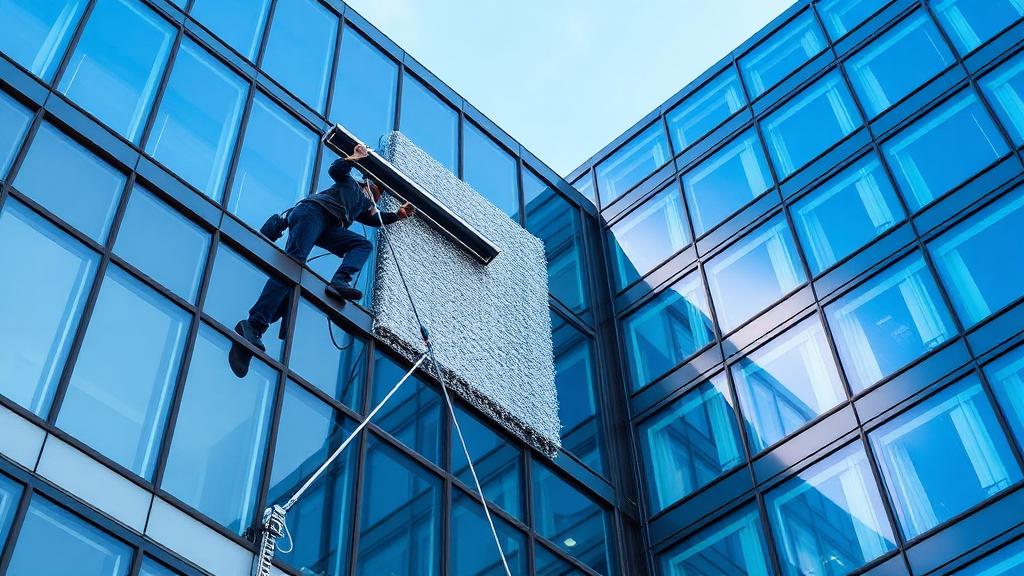
Professional Window Cleaning and Maintenance Guide
Professional window cleaning is essential for maintaining commercial building appearance, maximizing natural light, and protecting window investments. Modern window maintenance combines advanced techniques, cutting-edge technology, and comprehensive safety protocols to deliver superior results while ensuring worker and occupant safety.
Strategic Benefits of Professional Window Cleaning
Enhanced Building Performance and Value
Professional window maintenance delivers measurable building improvements:
- Natural Light Optimization: Clean windows increase light transmission by up to 40%, reducing artificial lighting costs
- Energy Efficiency Gains: Properly maintained windows improve HVAC efficiency and thermal performance
- Property Value Protection: Regular maintenance extends window lifespan and maintains building asset value
- Curb Appeal Enhancement: Crystal-clear windows create positive first impressions for tenants, clients, and visitors
Operational and Financial Advantages
Strategic window cleaning programs provide significant business benefits:
- Tenant Satisfaction: Clean, bright spaces improve occupant comfort and retention rates
- Maintenance Cost Reduction: Preventive cleaning prevents costly window replacement and repair
- Insurance Benefits: Well-maintained buildings often qualify for reduced insurance premiums
- Competitive Advantage: Professional appearance differentiates properties in competitive markets
Health and Safety Improvements
Clean windows contribute to healthier building environments:
- Air Quality Support: Regular cleaning removes pollutants and allergens from window surfaces
- Mold Prevention: Proper maintenance prevents moisture buildup that leads to mold growth
- Safety Enhancement: Clear visibility through windows improves building security and emergency egress
- UV Protection: Maintained window films and coatings protect occupants from harmful radiation
Advanced Safety Protocols and Compliance
OSHA and Industry Safety Standards
Modern window cleaning requires adherence to comprehensive safety regulations:
- Fall Protection Systems: Advanced harness technology, self-retracting lifelines, and certified anchor points
- Height Safety Training: SPRAT (Society of Professional Rope Access Technicians) certification for high-rise work
- Risk Assessment Protocols: Comprehensive pre-work hazard identification and mitigation planning
- Emergency Response Plans: Detailed rescue procedures and medical emergency protocols
High-Rise and Complex Building Safety
Specialized safety measures for challenging environments:
- Rope Access Certification: IRATA (Industrial Rope Access Trade Association) trained technicians
- Building Management Systems: Integration with building automation for elevator and access control
- Weather Monitoring Technology: Real-time wind speed, precipitation, and temperature monitoring
- Structural Assessment: Engineering evaluation of anchor points and building integrity
Technology-Enhanced Safety
Modern safety systems leveraging advanced technology:
- GPS Tracking: Real-time location monitoring for worker safety and accountability
- Communication Systems: Two-way radios with emergency alert capabilities
- Wearable Safety Devices: Smart PPE with fall detection and automatic emergency alerts
- Digital Safety Documentation: Electronic pre-work safety checklists and incident reporting
Modern Window Cleaning Techniques and Technologies
Advanced Squeegee Systems and Methods
Refined traditional techniques enhanced with modern technology:
- Precision Squeegee Technology: Ergonomic handles, advanced rubber compounds, and micro-adjustable pressure systems
- Multi-Surface Solutions: Specialized cleaning formulations for different glass types and environmental conditions
- Speed Optimization Techniques: Professional methods reducing cleaning time while maintaining quality standards
- Quality Assurance Systems: Digital verification tools and photographic documentation of results
Water-Fed Pole and Pure Water Systems
Revolutionary technology transforming ground-level window cleaning:
- Advanced Filtration Systems: Multi-stage purification producing zero-TDS (Total Dissolved Solids) water
- Smart Pole Technology: Carbon fiber poles with integrated water flow controls and brush selection systems
- Automated Monitoring: Real-time water quality sensors and flow rate optimization
- Brush Innovation: Specialized brush designs for different glass coatings and frame materials
Robotic and Automated Window Cleaning
Cutting-edge automation revolutionizing the industry:
- Magnetic Climbing Robots: Self-navigating systems for exterior high-rise window cleaning
- AI-Powered Navigation: Machine learning algorithms optimizing cleaning patterns and efficiency
- Remote Monitoring Systems: Real-time oversight and quality control from ground-based operators
- Integrated Documentation: Automatic before/after photography and condition reporting
Drone Technology Integration
Aerial technology supporting inspection and access planning:
- Pre-Cleaning Inspection: Drone photography identifying problem areas and access challenges
- Hard-to-Reach Assessment: Evaluation of architectural features and structural elements
- Safety Planning: Aerial mapping for rope access route planning and anchor point identification
- Post-Cleaning Verification: Quality documentation and customer reporting through aerial photography
Specialized Building Types and Window Systems
Modern Curtain Wall Systems
Advanced techniques for contemporary commercial buildings:
- Structural Glazing: Specialized cleaning methods for seamless glass facades
- Thermal Performance Glass: Temperature-controlled cleaning preventing thermal shock
- Integrated Building Systems: Coordination with automated building controls and environmental systems
- Maintenance Access Solutions: Purpose-built access systems and cleaning infrastructure
Smart Glass and Electrochromic Windows
Emerging window technologies requiring specialized care:
- Electrochromic Systems: Cleaning protocols that protect electronic tinting systems
- Self-Cleaning Glass Coatings: Maintenance of photocatalytic and hydrophilic surface treatments
- Integrated Sensors: Working around embedded technology in smart window systems
- Warranty Compliance: Manufacturer-specific cleaning requirements and restrictions
Historic Preservation and Architectural Glass
Specialized approaches for valuable and sensitive window installations:
- Materials Analysis: Understanding lead content, glazing compounds, and historic manufacturing methods
- Conservation Cleaning: pH-neutral solutions and gentle mechanical methods for antique glass
- Documentation Requirements: Photographic records and condition reports for preservation compliance
- Restoration Integration: Coordinating cleaning with ongoing restoration and maintenance projects
High-Security and Blast-Resistant Glass
Enhanced protocols for protected facilities:
- Security Clearance Procedures: Background checks and facility-specific training requirements
- Specialized Equipment: Non-metallic tools and equipment for sensitive environments
- Laminated Glass Care: Techniques preventing delamination and edge seal damage
- Coordination Protocols: Working within security schedules and access restrictions
Seasonal Considerations
Spring Cleaning Protocols
Comprehensive window restoration after winter conditions:
- Winter Damage Assessment: Inspection for seal damage, frame issues, and glass problems
- Pollen and Debris Removal: Techniques for removing accumulated organic matter
- Screen Cleaning: Restoration of window screens after winter storage
- Hardware Lubrication: Maintenance of window operating mechanisms
Summer Maintenance
Hot weather considerations for window cleaning:
- Heat Management: Early morning scheduling to avoid thermal stress
- Rapid Drying Prevention: Techniques to prevent cleaning solution from drying too quickly
- Worker Safety: Hydration and heat illness prevention protocols
- UV Protection: Methods to prevent cleaning solution breakdown in strong sunlight
Fall Preparation
Preparing windows for winter weather:
- Seal Inspection: Checking weatherstripping and caulking before cold weather
- Storm Window Installation: Coordination with seasonal window protection systems
- Debris Clearance: Removing leaves and organic matter before winter freeze
- Final Cleaning: Comprehensive cleaning before reduced winter access
Winter Challenges
Cold weather window cleaning considerations:
- Freeze Prevention: Using appropriate cleaning solutions for below-freezing temperatures
- Ice and Snow Safety: Enhanced safety protocols for winter conditions
- Access Limitations: Working around heating systems and weather restrictions
- Equipment Protection: Preventing damage to cleaning equipment in cold conditions
Quality Control and Inspection
Inspection Standards
Systematic evaluation ensures consistent quality:
- Visual Inspection Criteria: Standards for streak-free, spot-free window surfaces
- Detail Cleaning Verification: Checking corners, edges, and hard-to-reach areas
- Frame and Sill Cleaning: Ensuring complete cleaning of window components
- Customer Satisfaction Checks: Post-cleaning inspection with building representatives
Performance Metrics
Measuring window cleaning program effectiveness:
- Quality Scores: Systematic rating of cleaning completeness and appearance
- Customer Satisfaction: Regular feedback collection from building occupants
- Safety Performance: Tracking safety incidents and near-miss events
- Efficiency Measures: Monitoring productivity and cost-effectiveness
Continuous Improvement
Ongoing program enhancement:
- Technique Refinement: Adopting new methods and equipment improvements
- Training Updates: Keeping staff current on best practices and safety requirements
- Customer Feedback Integration: Using client input to improve service delivery
- Technology Adoption: Evaluating and implementing new cleaning technologies
Scheduling and Logistics
Frequency Determination
Establishing appropriate cleaning schedules:
- Environmental Factors: Pollution, weather, and location impact on cleaning needs
- Building Usage: Occupancy patterns and business requirements
- Budget Considerations: Balancing cleaning frequency with cost constraints
- Seasonal Adjustments: Varying schedules based on weather and daylight availability
Coordination with Building Operations
Minimizing disruption while maximizing effectiveness:
- Access Scheduling: Coordinating with building security and management
- Tenant Communication: Advance notice and coordination with office occupants
- Maintenance Integration: Coordinating with other building maintenance activities
- Emergency Response: Protocols for urgent cleaning needs and weather delays
Route Optimization
Efficient scheduling reduces costs and improves service:
- Geographic Clustering: Grouping nearby buildings for efficient routing
- Equipment Deployment: Strategic placement of specialized equipment
- Weather Contingency: Flexible scheduling accommodating weather delays
- Resource Allocation: Matching crew skills and equipment to specific buildings
Technology and Innovation
Advanced Cleaning Equipment
Modern tools enhance efficiency and safety:
- Robotic Window Cleaners: Automated systems for specific applications
- Drone Inspection: Preliminary assessment of high-rise window conditions
- Smart Water Systems: Automated pure water production and quality monitoring
- Mobile Apps: Real-time communication and quality documentation
Water Treatment Technology
Pure water systems improve cleaning effectiveness:
- Reverse Osmosis Systems: Producing spot-free rinse water
- Deionization Technology: Removing minerals that cause water spots
- Total Dissolved Solids Monitoring: Ensuring water quality standards
- System Maintenance: Regular filter changes and equipment servicing
Safety Technology Integration
Advanced safety systems protect workers:
- Fall Protection Monitoring: Electronic systems tracking safety equipment use
- Weather Monitoring: Real-time weather data for safety decision-making
- Communication Systems: Reliable contact between ground and working crews
- Emergency Response: Quick access to rescue and medical assistance
Environmental Considerations
Eco-Friendly Cleaning Solutions
Sustainable window cleaning practices:
- Biodegradable Detergents: Environmentally safe cleaning product selection
- Water Conservation: Efficient use and recycling of cleaning water
- Waste Minimization: Reducing disposable materials and packaging waste
- Energy Efficiency: Equipment selection considering environmental impact
Runoff Management
Protecting the environment during cleaning operations:
- Water Collection: Capturing and properly disposing of cleaning runoff
- Chemical Containment: Preventing cleaning solutions from entering storm drains
- Landscaping Protection: Avoiding damage to plants and outdoor surfaces
- Regulatory Compliance: Meeting local environmental protection requirements
Sustainable Practices
Long-term environmental responsibility:
- Equipment Longevity: Proper maintenance extending tool and equipment life
- Local Sourcing: Using regional suppliers to reduce transportation impact
- Training Investment: Education supporting environmental stewardship
- Innovation Adoption: Implementing new eco-friendly technologies and methods
Cost Management and Efficiency
Service Pricing Models
Various approaches to window cleaning cost structure:
- Per-Window Pricing: Individual window counting and pricing
- Square Footage Rates: Pricing based on total glass area
- Comprehensive Contracts: Bundled pricing including all building windows
- Frequency Discounts: Reduced rates for regular, scheduled service
Cost-Benefit Analysis
Evaluating window cleaning investment returns:
- Energy Savings: Quantifying lighting and HVAC cost reductions
- Property Value Impact: Calculating maintenance impact on building worth
- Tenant Satisfaction: Measuring retention and rental rate impacts
- Maintenance Savings: Preventing costly window replacement and repair
Efficiency Improvements
Maximizing value from window cleaning investments:
- Route Optimization: Reducing travel time and fuel costs
- Equipment Efficiency: Using tools that increase productivity
- Staff Training: Improving technique for faster, better results
- Technology Integration: Adopting tools that enhance efficiency and quality
Conclusion
Professional window cleaning represents a critical component of commercial building maintenance that impacts appearance, energy efficiency, and property value. Effective programs require comprehensive safety protocols, appropriate techniques, and systematic scheduling to deliver optimal results while protecting workers and building occupants.
Investment in quality window cleaning services provides measurable returns through enhanced building appearance, improved energy efficiency, and extended window life. Organizations that prioritize professional window maintenance demonstrate commitment to property stewardship while creating more pleasant, productive environments for building occupants.